

Every single day, the internet changes how we look at digital imagery. Between dealing with modern web formats like WEBP, handling heavy compression, and sorting out what AI tools can and cannot do, content creators have a lot on their plates. If you talk to digital creators right now, everyone is buzzing about artificial intelligence, content generation, and how automated tools are rewriting the blogging handbook.
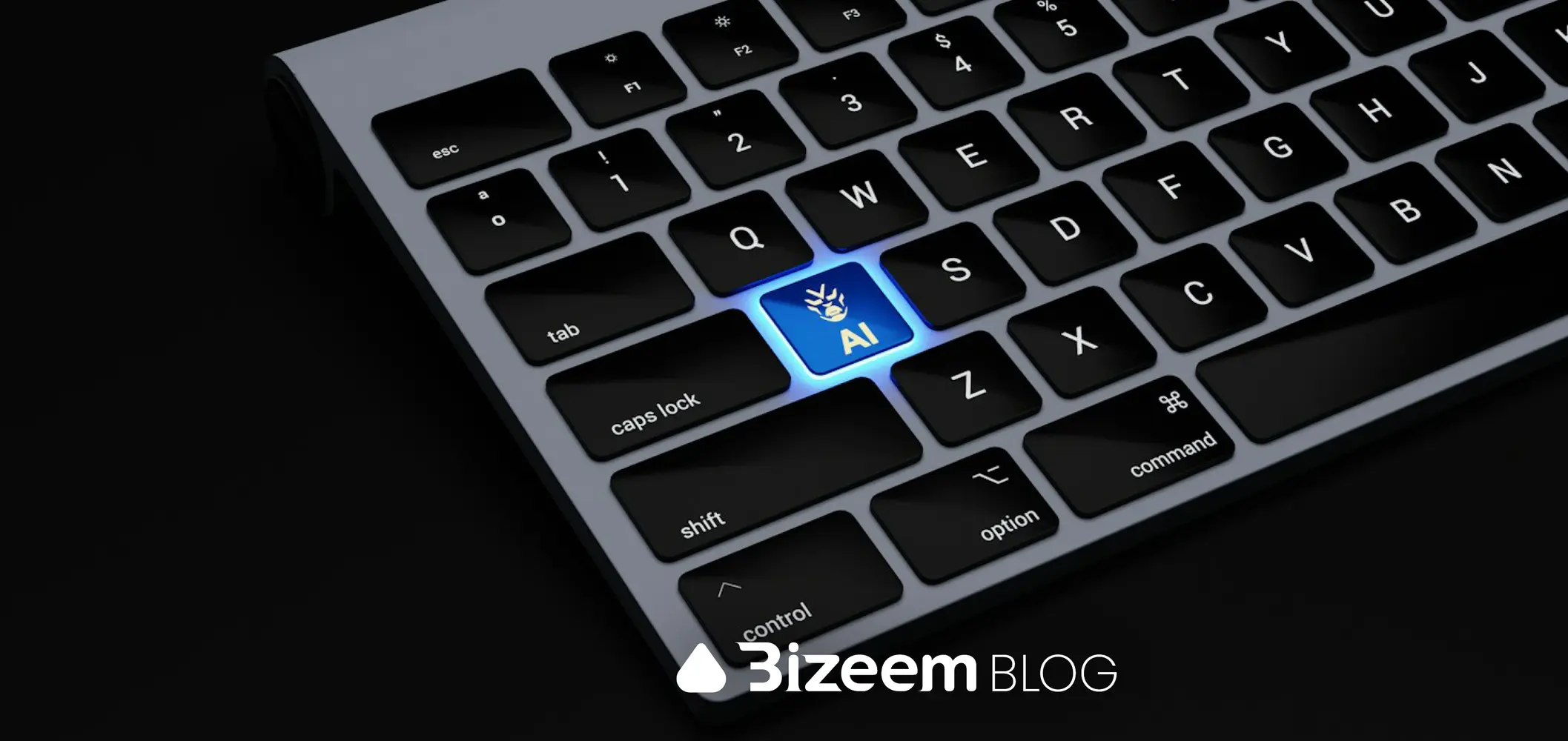
But let us hit pause for a second. While AI image generators are everywhere right now, we need to look at the bigger picture. In this comprehensive guide, we are breaking down why the current AI wave will not last forever, the real differences between free and paid AI platforms, how copyright and watermarks factor into your workflow, and why true originality is your biggest competitive advantage.
The Rise of AI Images: A Passing Wave or Permanent Shift?
Right now, it feels like you cannot scroll through a feed without seeing artificial intelligence graphics, automated text overlays, and synthetic art. Platforms push these features hard because they are fast and cheap. But here is my take on where this is heading: the massive rush toward generic AI-generated images will not last forever.
People crave human connection. When every blog, social media page, and website starts using the exact same robotic, hyper-polished, synthetic style, audiences get tired of it. Real originality always comes back around. Readers and customers look for authenticity. They want to see real human effort, personal perspectives, and genuine creative choices. Relying 100 percent on automated software leaves your brand looking just like everyone else.
Imagine looking back from ten years in the future. If the current trend of pumping out lazy, unedited AI content continues unchecked, human originality will become rare and incredibly valuable. Brands that stick to authentic, human-crafted design will stand out instantly in a sea of digital noise.
Free vs. Paid AI Tools: How They Handle Image Borrowing
One major piece of the puzzle that creators often overlook is how different AI tools operate behind the scenes. There is a massive gap between free AI image generators and paid enterprise solutions when it comes to copyright, data scraping, and algorithms.
- Free AI Platforms: These tools usually feed user inputs and generated outputs right back into public training models. They borrow heavily from existing web images, stock portfolios, and protected art without explicit permissions. If you use free generators for commercial projects, you might unknowingly use scraped elements that carry hidden copyright risks.
- Paid AI Platforms: Paid tiers often offer better commercial safety guarantees, cleaner training data sets, and tighter privacy controls. However, they still rely on algorithmic pattern matching rather than true creative thought. They remix existing styles rather than inventing a brand-new visual identity.
Understanding these algorithmic differences helps you protect your projects. If you want to dive deeper into managing your online assets and optimizing your digital footprint safely, check out our guide on using traffic exchanges safely for your website promotion to keep your online strategy secure and compliant.
Why All Designs on Bizeem Are Not AI Generated
In our work at Bizeem, we believe that your brand deserves better than a recycled algorithmic shortcut. That is why all designs on Bizeem are strictly not AI generated unless a client specifically requests it for a unique project.
Originality matters deeply in branding. Your logo, your website layout, your banners, and your landing pages represent your core identity. When visitors land on your pages, they can tell the difference between a rushed template and a thoughtfully crafted design built by a human who understands your goals. If you want to explore more layout ideas and developer resources, visit our main hub at the Bizeem Blog for practical tutorials, marketing strategies, and design tips.
Practical Image Management: WEBP, Backgrounds, and Advanced Tools
Beyond the philosophical debate on AI, creators face daily technical tasks. Managing image formats like WEBP files, compressing graphics for faster site speeds, and handling background removal can slow down your workflow if you do not have the right setup.
While basic tools like Canva and GIMP have their place, many creators find them limiting when they need in-depth pixel control or batch format conversions. Stepping up to professional software or utilizing specialized batch converters saves hours of frustration. Whether you are prepping clean background graphics with plenty of negative space for text overlays or managing copyright watermarks, having a solid technical toolkit keeps your publishing schedule running smoothly.
Frequently Asked Questions (FAQ)
Q: Are AI-generated images legal to use on commercial websites?
A: It depends on the platform terms and copyright laws in your region. Many free tools scrape copyrighted art without permission, creating legal risks. Always check the specific terms of service of the tool you use.
Q: How can I convert WEBP images into standard formats like JPG or PNG and vice versa?
A: You can use dedicated batch conversion software, browser extensions, or image editing tools that support modern export plugins to quickly convert WEBP files without losing quality.
Q: Why is original graphic design better for branding than automated art?
A: Think about it this way. When you look at real human design, you see actual thought and intention behind every single line, color choice, and placement. Original design is tailored specifically to your unique business identity, target audience, and message. AI art often looks generic, repetitive, and lacks genuine creative intent.
When people visit your site or scroll past your social posts, they want to connect with a real person or a real brand. They want to feel that someone actually cared enough to put effort into making something special for them. If your graphics look like they were churned out by a machine in two seconds, readers tune out. True creativity builds trust, and trust is what turns casual website visitors into loyal customers who stick around for the long haul.
Q: How do image watermarks impact digital copyright protection?
A: While traditional watermarks help identify ownership, advanced editing tools and AI scrapers can often bypass or remove them. Creators must rely on robust licensing and original asset publishing to protect their work.
Conclusion: Sticking to What Truly Works
At the end of the day, technology will always keep changing. New tools will pop up every week, file formats will update, and artificial intelligence will keep trying to speed up the creative process. But shortcuts can only take you so far.
If you want your brand to survive and stand out in the years ahead, focusing on genuine human creativity is your best move. People connect with real people, real effort, and real originality. Keep your designs authentic, protect your creative work, and focus on building a brand that truly speaks to your audience. That is how you stay ahead of the curve for the long run.

Leave a Reply